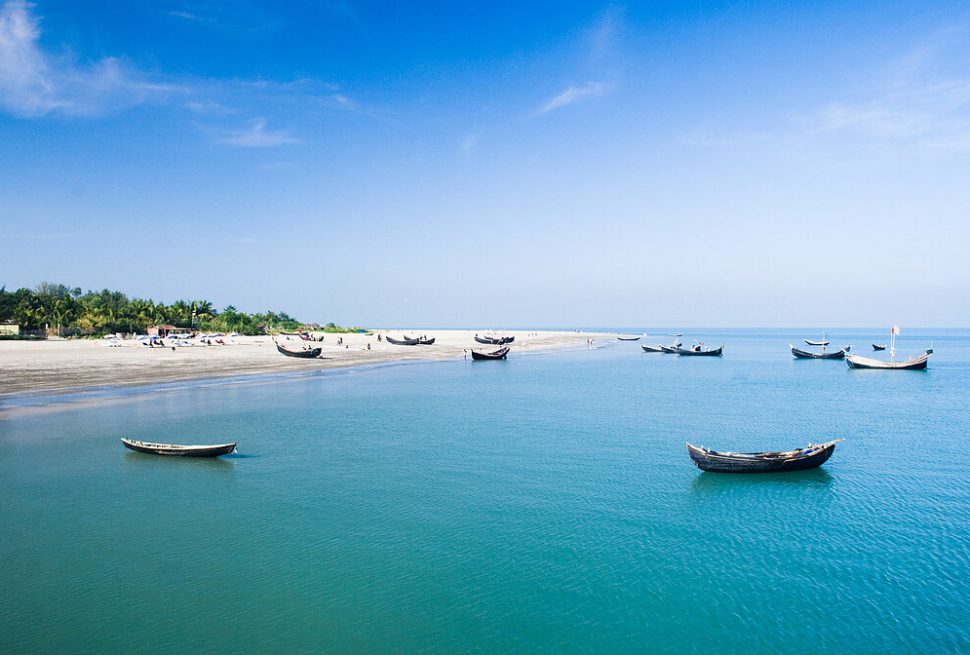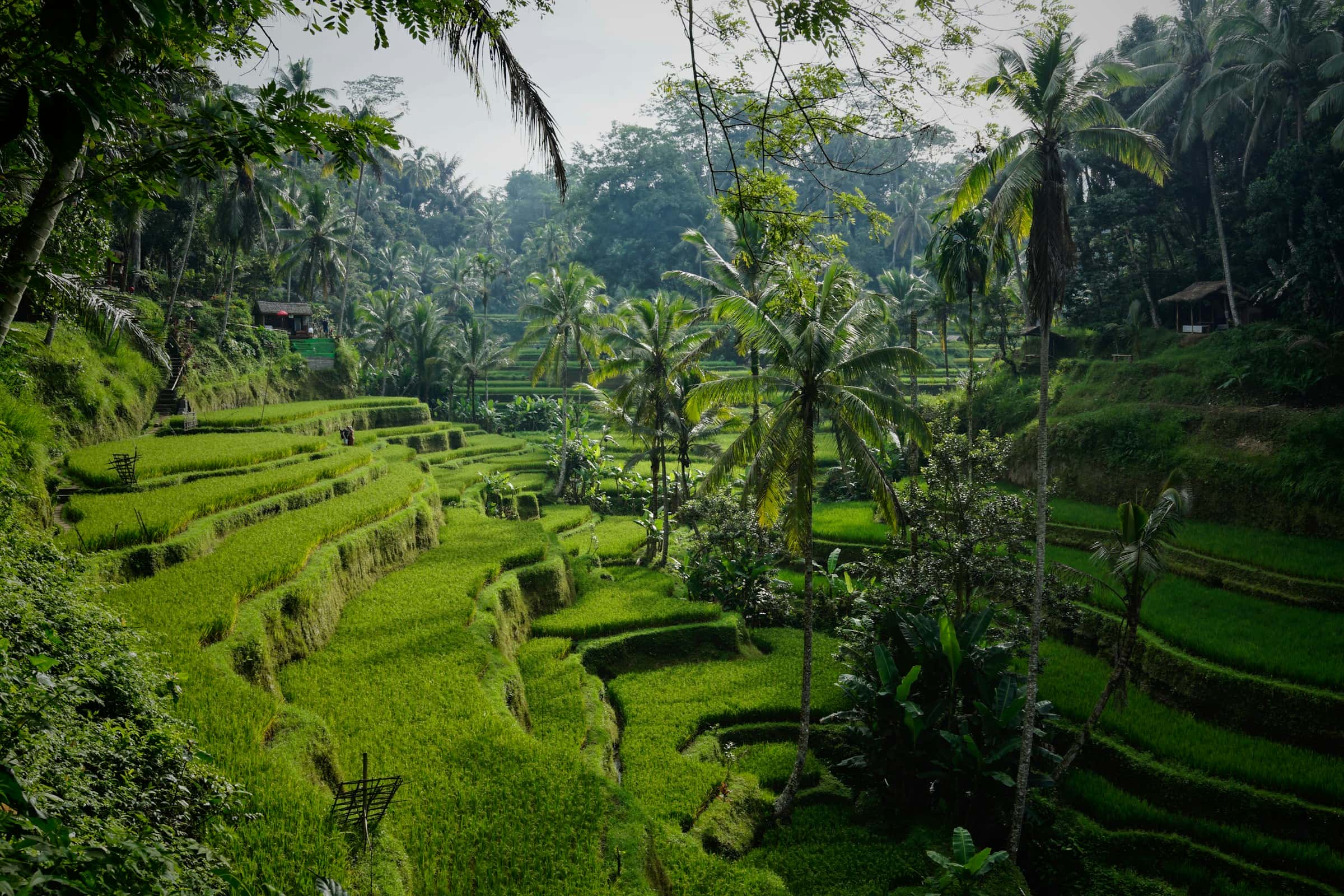
Indonesia, with its breathtaking landscapes, rich culture, and over 17,000 islands, offers endless possibilities for travelers. From the vibrant streets of Jakarta to the serene beaches of Bali and the lush rainforests of Sumatra, Indonesia is a paradise waiting to be explored. However, to make the most of your trip, proper planning is essential. Here are some key travel tips to ensure a smooth and memorable journey in Indonesia.
1. Visa and Entry Requirements
Before you travel to Indonesia, check if you need a visa. Citizens of many countries, including the U.S., U.K., and parts of Europe, can enter visa-free for up to 30 days for tourism purposes. If you plan to stay longer or engage in non-tourist activities, you may need a visa. It’s always a good idea to double-check the visa requirements for your nationality ahead of time.
2. Pack Light, but Be Prepared
Indonesia’s climate is generally warm and tropical, so pack lightweight, breathable clothing. However, it’s important to remember that the country is made up of diverse islands, some of which have more temperate weather, especially in higher altitudes like in Bali’s Ubud or Mount Bromo. Packing a light jacket and rain gear for cooler or rainy regions is wise.
Indonesia is also a predominantly Muslim country, so when visiting more conservative areas like Java or Lombok, it’s respectful to dress modestly, particularly around religious sites. Wearing long sleeves and skirts or pants when visiting temples and mosques is appreciated.
3. Respect Local Culture and Traditions
Indonesians are known for their warm hospitality, but it’s essential to respect their culture and traditions. When visiting religious sites, always dress modestly and remove your shoes before entering temples or mosques. Balinese Hindu temples may require you to wear a sarong, which is usually available at the entrance.
Public displays of affection are frowned upon in more conservative areas, and it’s important to avoid using your left hand for greetings or handing over money, as it’s considered impolite.
4. Currency and Payments
Indonesia uses the Indonesian Rupiah (IDR) as its currency, and it’s a good idea to carry cash, especially in rural areas or smaller towns. While major cities and tourist spots like Bali and Jakarta accept credit cards in most hotels, restaurants, and stores, cash is often needed for small vendors, local markets, or transportation.
ATM machines are widely available in cities, but it’s recommended to exchange some currency before your trip for initial expenses. Be cautious of the exchange rates and fees when withdrawing money in rural areas.
5. Getting Around
Indonesia is vast, and travel between islands can be time-consuming. Domestic flights are the quickest way to travel long distances, especially when hopping between popular destinations like Bali, Jakarta, Yogyakarta, and Sumatra. Budget airlines such as Lion Air and AirAsia offer frequent flights.
For shorter distances, taxis and ride-hailing services like Gojek and Grab are convenient options in urban areas. For a more authentic experience, you can also try local modes of transport like becak (pedicabs) or ojek (motorbike taxis).
6. Health and Safety
When traveling to Indonesia, it’s essential to stay hydrated, especially in the heat. Bottled water is widely available, and you should avoid drinking tap water to prevent illness. Carry a basic first-aid kit with you, especially when trekking or visiting more remote areas.
Vaccinations are recommended for Indonesia, including for Hepatitis A, Typhoid, and Tetanus. If you’re planning to explore jungles or rural areas, consult with your doctor about anti-malaria medication.
It’s also crucial to have travel insurance that covers medical emergencies, trip cancellations, and activities like trekking or scuba diving.
7. Bargaining and Shopping
Shopping in Indonesia’s local markets can be a fun experience, but bargaining is expected. Always start with a lower price and negotiate until both parties are satisfied. Bargaining is common in places like Bali’s Ubud Market, but in fixed-price stores or shopping malls, prices are non-negotiable.
8. Best Time to Visit
Indonesia’s dry season, from April to October, is the best time to visit, particularly if you’re planning outdoor activities like hiking, beach trips, or exploring temples. The wet season, from November to March, brings heavier rainfall, but it’s still a good time to visit if you don’t mind the occasional downpour, and it can be less crowded.
Conclusion
Indonesia is a land of adventure, rich culture, and natural beauty. Whether you’re relaxing on the beaches of Bali, exploring the temples of Yogyakarta, or hiking in Sumatra, these travel tips will help ensure a smooth, enjoyable trip. Take your time, immerse yourself in the local culture, and make the most of every moment in this diverse and stunning country.