
The Everest Base Camp trek is a dream come true for adventurers and nature enthusiasts alike. Nestled in the heart of the Himalayas, this iconic journey takes trekkers to the foot of the world’s tallest mountain, offering breathtaking views, unique cultural experiences, and a sense of achievement that few other treks can match.
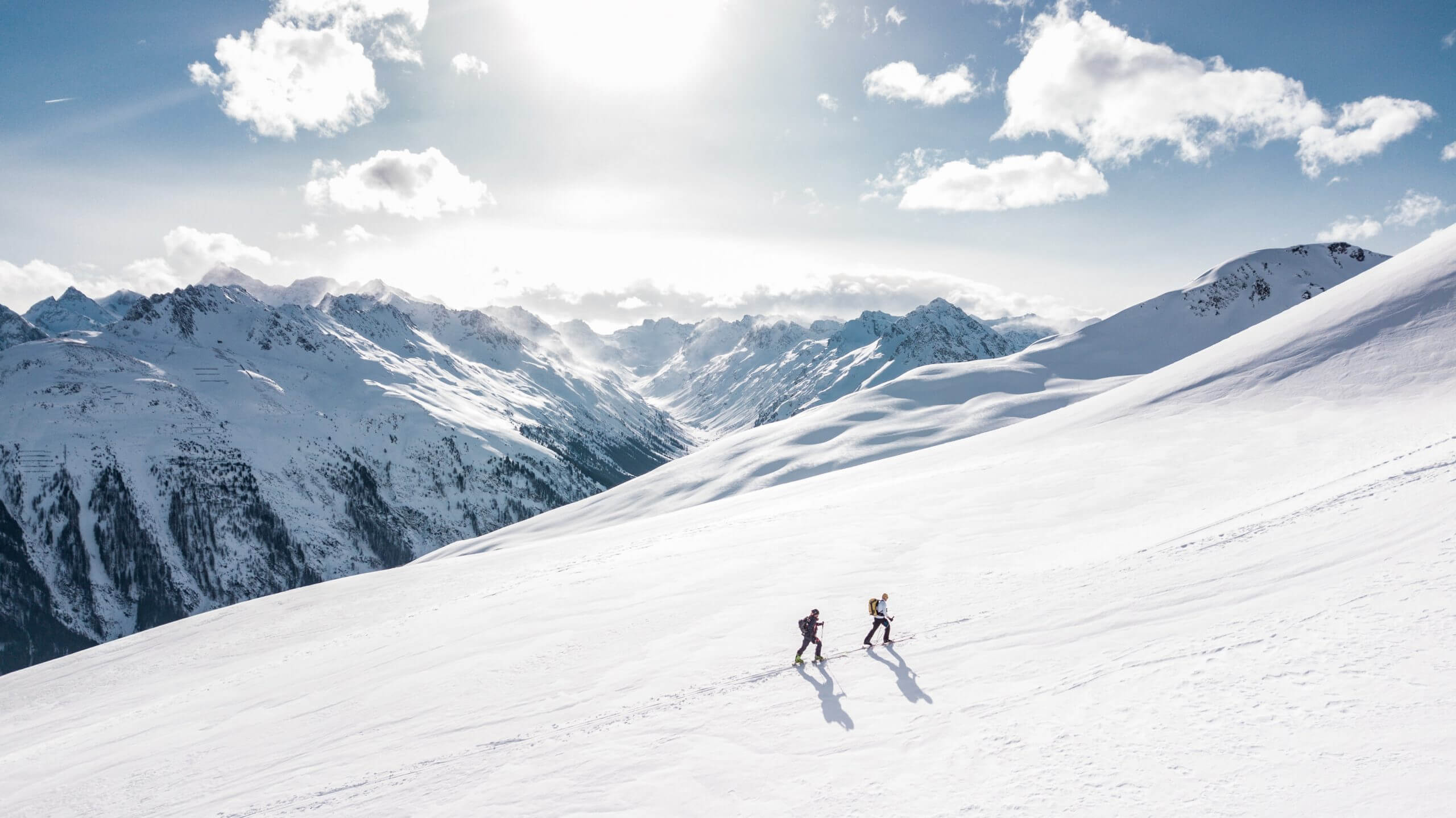
The Route to Everest Base Camp
The trek begins in Lukla, a small mountain town accessible by a thrilling flight from Kathmandu. From Lukla, the trail winds through picturesque villages, dense forests, and across suspension bridges that stretch over deep river gorges. The first few days are relatively easy, allowing trekkers to adjust to the altitude and take in the stunning scenery of the Khumbu region.
As you climb higher, you’ll pass through Namche Bazaar, the gateway to Everest and a bustling hub for trekkers. This is where most travelers take an acclimatization break, exploring local markets and soaking in views of Mt. Ama Dablam and other Himalayan peaks. The journey continues through the remote villages of Tengboche and Dingboche, where trekkers can visit ancient monasteries and witness the rich Sherpa culture that thrives in the region.
Acclimatization and High Altitude
The trek to Everest Base Camp is not just a physical challenge; it’s also a test of endurance at high altitudes. Altitude sickness is a real concern, with the route reaching heights of over 5,500 meters at Kala Patthar, a popular viewpoint for panoramic vistas of Everest. Trekkers must take time to acclimatize, usually with scheduled rest days at certain points along the trail.
Proper acclimatization allows the body to adjust to the lower levels of oxygen, helping trekkers avoid altitude sickness and complete the journey successfully. During acclimatization stops, many trekkers enjoy day hikes to nearby viewpoints, which offer stunning views of Lhotse, Nuptse, and Everest itself.
Reaching Everest Base Camp
After days of trekking through increasingly rugged terrain, you’ll finally reach the destination: Everest Base Camp. Located at an altitude of 5,364 meters, the camp is where mountaineers prepare for their ascent of Mt. Everest. While trekkers won’t go beyond the base camp, standing at the foot of the tallest mountain in the world is a humbling and awe-inspiring experience.
The feeling of accomplishment as you gaze at the towering peaks surrounding you is indescribable. For many, this moment is the culmination of months of preparation and a testament to their perseverance. While the ascent of Everest itself is reserved for only the most experienced climbers, the trek to base camp offers its own sense of triumph and adventure.
When to Trek
The best time to trek to Everest Base Camp is during the pre-monsoon (March to May) and post-monsoon (September to November) seasons. During these periods, the weather is relatively stable, and the skies are clear, offering the best views of Everest and the surrounding peaks.
Conclusion
The Everest Base Camp trek is more than just a hike; it’s a life-changing experience that tests your limits and rewards you with stunning natural beauty and a deep connection to the culture and landscapes of the Himalayas. For those seeking adventure and a taste of what it’s like to stand in the shadow of the world’s highest mountain, this trek is an unforgettable journey.